Technology
MyChart back online for University Hospitals patients after cybersecurity incident knocks out digital services for over 3 weeks
By Jasmine Lee
Advertisement · Why this ad?
Victor brings a decade of experience in business journalism, having previously reported for Crain's Cleveland Business. He holds an MBA from Case Western Reserve University and focuses on the economic impact of local enterprises. His thorough analysis provides insights into Cleveland's ever-changing business landscape.
More from Victor →
In the midst of a cybersecurity incident that has disrupted digital services, University Hospitals is reaching out to patients with reassuring reminders. The message is clear: despite the challenges, your health remains a priority. This proactive approach underscores a profound commitment to patient well-being, even as the institution navigates complex technical hurdles.
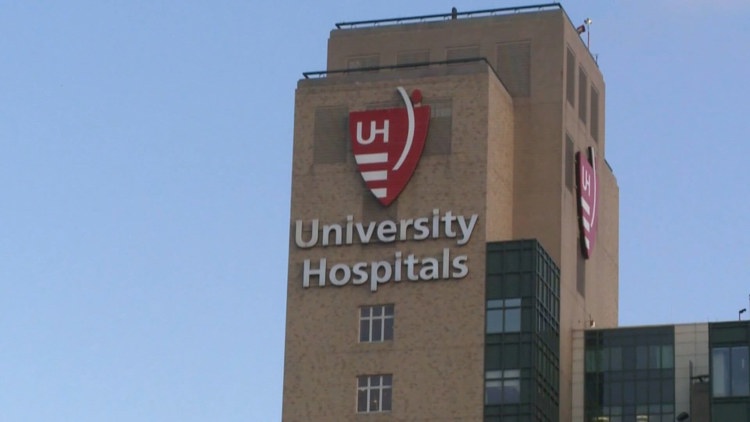
University Hospitals (UH) is actively contacting patients with appointment reminders and encouraging the community to maintain scheduled care, despite an ongoing cybersecurity incident that has rendered its vital MyChart patient portal inaccessible. The incident, which began on September 25, 2023, has affected digital systems across all UH facilities, prompting a swift and comprehensive operational shift to ensure continuous, high-quality patient care.
The disruption has meant that the convenient digital access many patients rely on for managing appointments, viewing test results, and communicating with their providers is temporarily unavailable. However, UH leadership has moved decisively to mitigate the impact, deploying manual processes and dedicating staff to personally reach out to patients. This ensures that essential healthcare services continue without interruption, reinforcing the critical bond between the hospital system and the Northeast Ohio community it serves.
As of the latest reports, University Hospitals has found no evidence that patient data has been compromised, a crucial detail that offers some relief amidst the uncertainty. The focus remains squarely on maintaining operational integrity and safeguarding patient information, while simultaneously working to restore full digital functionality. This commitment to security and care is paramount, especially in an era where digital threats are increasingly sophisticated.
Dr. Cliff Megerian, CEO of University Hospitals, emphasized this unwavering dedication, stating, Our commitment to providing exceptional care to our patients is unwavering, and we are working tirelessly to minimize any disruption caused by this incident.
His words resonate deeply within a community that depends on UH for a wide spectrum of medical needs, from routine check-ups to life-saving procedures. This sentiment is echoed by Dr. Peter Pronovost, UH's Chief Clinical Transformation Officer, who praised the staff: Our dedicated caregivers are going above and beyond to ensure that every patient receives the care they need, regardless of the digital challenges.
For many families in Cleveland and surrounding areas, UH is more than just a hospital; it's a cornerstone of their health and well-being. The temporary unavailability of MyChart, while inconvenient, highlights the deep reliance patients have on such portals for managing their health records, scheduling appointments, and staying connected with their care teams. Patients who have grown accustomed to the ease of digital access are now navigating a return to more traditional methods, requiring patience and understanding from all involved.
The human element of this incident cannot be overstated. Healthcare workers at University Hospitals are dedicatedly working to ensure patient care continues uninterrupted. This involves significant effort, as staff members are now manually processing appointments, retrieving patient information through alternative means, and personally contacting individuals to confirm their scheduled visits. This extraordinary effort by the hospital's caregivers exemplifies the true spirit of service, ensuring that the health of our community remains the top priority.
This incident underscores the vital relationship between healthcare providers and the community they serve. By encouraging patients to keep their appointments, University Hospitals is reinforcing their commitment to public health and safety. For strong marriages and intact families, reliable access to healthcare is fundamental. Parents rely on these systems to manage their children's vaccinations and appointments, while adult children often use them to coordinate care for aging parents. The stability of our households is often intrinsically linked to the stability and accessibility of our local healthcare infrastructure.
In the broader context, cybersecurity incidents have become an unfortunate reality for many institutions, particularly in the healthcare sector. Hospitals are often targeted due to the sensitive nature of the data they hold and the critical services they provide. Organizations like the Cybersecurity & Infrastructure Security Agency (CISA) regularly issue warnings and guidance to help protect critical infrastructure from such threats. The American Hospital Association (AHA) also provides resources and advocates for robust cybersecurity measures across the industry.
While the immediate focus is on restoring services and maintaining care, the incident carries potential long-term implications. The financial impact, though not yet quantified, will likely include operational costs associated with manual processes, investments in enhanced security measures, and potential revenue loss from delayed or rescheduled elective procedures. Furthermore, regulatory bodies like the Office for Civil Rights (OCR), responsible for enforcing HIPAA compliance, will undoubtedly monitor the situation closely, ensuring all necessary protocols for patient data protection are followed.
For patients, the message is clear: please continue to attend your scheduled appointments. University Hospitals is actively reaching out to confirm appointments, but if you have concerns or questions, it is advisable to call your provider's office directly. The University Hospitals official website remains a key source for updates, though its functionality may be limited. Patients should be prepared for manual check-in processes and potentially longer wait times as staff work diligently to manage patient flow without the aid of usual digital tools.
The resilience shown by both the University Hospitals staff and the community during this challenging period is a testament to the strong foundations upon which Northeast Ohio is built. Institutions like UH, alongside other vital healthcare providers such as the Cleveland Clinic, are integral to the fabric of our region. The Ohio Department of Health plays a crucial role in overseeing the health and safety of all residents, and this incident highlights the interconnectedness of local and state health infrastructure.
As patients walk through the doors of University Hospitals, they are met with a promise of care and support, a beacon of hope in challenging times. This incident serves as a powerful reminder of the dedication embedded within our healthcare system and the enduring spirit of a community that comes together when faced with adversity. The path to full recovery may involve continued vigilance and adaptation, but the commitment to health and healing remains paramount. For more information on local services and community support, residents can also visit the City of Cleveland's official website or resources from the Ohio Hospital Association.
The ongoing partnership between academic institutions like Case Western Reserve University, with which UH is affiliated, and healthcare providers is also crucial for advancing medical research and training the next generation of caregivers. This collective effort ensures that even amidst disruptions, the long-term vision for a healthier community remains bright. The Federal Bureau of Investigation (FBI) also offers resources for individuals and organizations impacted by cybercrime, underscoring the serious nature of these threats.
By Jasmine Lee

By Rodney Ellis
By Jasmine Lee
By Sophie Chen